
Unlocking Opportunities in Latin America: Dell Technologies, Computer Aid International and Generation Collaborate for Economic Mobility
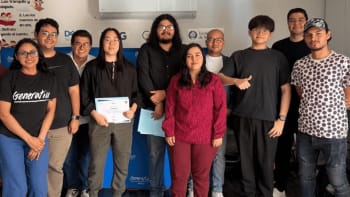
Through a collaboration between Dell Technologies, Computer Aid International and Generation, communities in Brazil, Colombia, and Mexico now have access to free professional training programs and job placement in sales and technology, opening doors to careers that would have otherwise been out of reach.
Eighty-two individuals from El Dorado do Sul (Brazil), Soacha (Colombia), and Monterrey (Mexico) participated in the training programs. To date, 80% of graduates have found jobs within six months of completing the course creating a positive impact for themselves and their families.
Since some graduates finished more recently and are still in this six-month period, we expect these results to improve further in the coming weeks. Those who are still seeking work continue to receive guidance and connections to local employers, helping them find job opportunities that can transform their lives.
“I have always liked technology, and one day I came across this IT Support Specialist course here in Soacha, Colombia. It felt like a light that had been completely off was suddenly switched on again, and I could finally dream of a better future for myself and my son,” shared Veronica, a single mother from Soacha.

Solar Community Hubs initiative
This partnership builds on the global Dell Technologies Solar Community Hubs initiative, which was launched in 2011 . Solar Community Hubs are community-focused centers that are tailored to deliver essential resources and technology access to communities facing barriers to digital access.
It acts as community anchors, enabling access to digital and employability training, including coding, IT support and career readiness programs, alongside connectivity and community engagement tailored to local needs.
“In Latin America, our partnership with Generation has amplified the way we serve communities, thanks also to the support of our local partners who manage each hub. In Colombia, we work with Fundación Tiempo de Juego; in Brazil, with Gerando Falcões; and in Mexico, with Tecnológico de Monterrey. Through Generation’s programs, more people are building the skills and self-confidence they need to step into new careers and transform their lives and communities, as many learners continue progressing through training and job placement pathways.” explained Leonardo Tiarajú, Giving & Impact Manager, LatAm at Dell Technologies.
Together Opening Doors to Quality Jobs
According to the Inter-American Development Bank (IDB), securing employment is the main driver for escaping poverty in Latin America and the Caribbean: 62 out of every 100 people who moved out of poverty did so by getting a job.
However, the region faces persistent challenges in job quality. IDB data shows that 55% of Latin America’s workforce holds informal jobs, without a contract or social security coverage, and 3 out of 10 do not earn enough to surpass the poverty threshold. The situation is especially difficult for young people and women.
“I grew up in a place where dreaming of a formal job felt impossible, but this opportunity changed everything for me. Now I believe in a better future, one I can build through my own dreams and effort,” said David from El Dorado do Sul, in southern Brazil, who graduated from the Generation Brazil’s Sales Fundamentals program.
Informal work often leads to lower wages, perpetuating cycles of poverty and inequality. This underscores the need for collaboration among different sectors of society to break this cycle and create longer-term job and career opportunities.
With more than a decade of experience, Generation recruits, trains, and places individuals into careers that change their lives. By equipping learners with both technical and soft skills, and connecting them with employer partners across the region, Generation bridges the gap between untapped talent and employment opportunities.
More than 12,800 people have graduated from Generation’s programs across Latin America since 2015. 78% found a job 3 to 6 months after graduating, and 2-5 years after graduating, 82% are employed, 92% earn above the living wage, and 66% are able to save for the future.
“Our partnership with Dell Technologies, Computer Aid International, and the local organizations running the Solar Community Hubs is a great example of what an ecosystem approach can make possible. Beyond training people who are looking to access better economic opportunities, we are also training 16 staff members from local non-profits, helping build local capacity and extend the impact over time. For me, this is one of the most powerful aspects of the partnership: bringing together organizations with different strengths to create opportunities and build capacity across the region ” said Gabriela Paranhos, COO of Generation Latin America.
Lasting impact
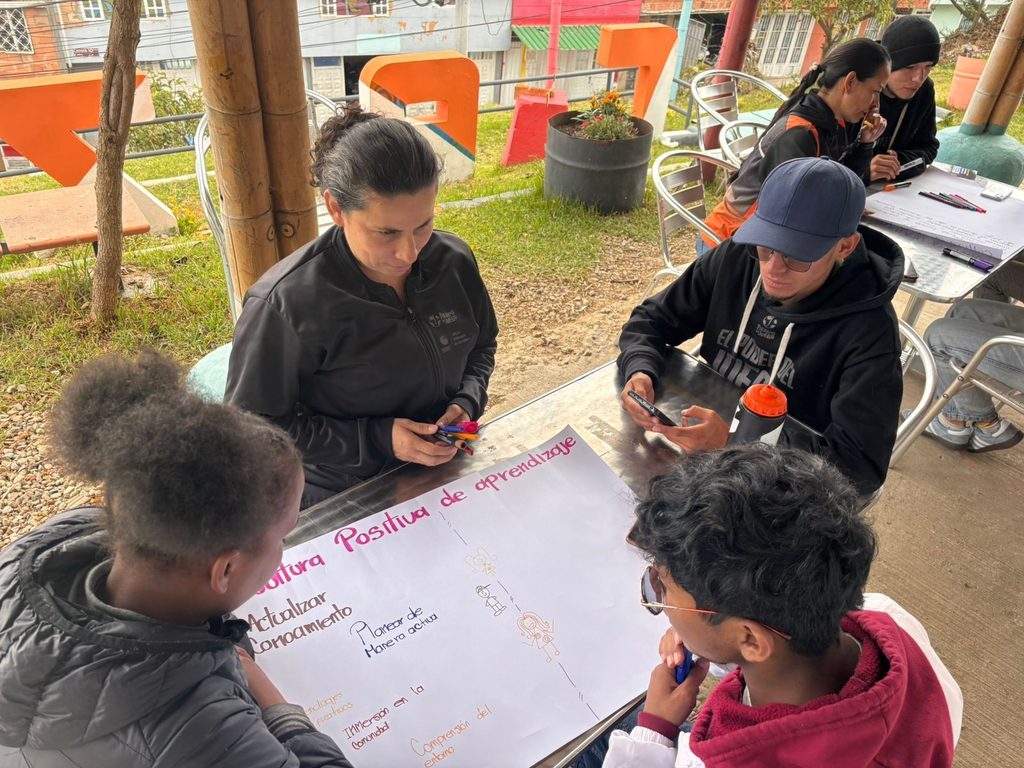
In Brazil, participants joined the Sales Fundamentals program, while in Colombia and Mexico, learners enrolled in IT Support Specialist or Java Full Stack Developer programs.
Across all three countries, an average of 88% of participants were unemployed before starting their training. The programs welcomed adults aged 18 to their mid-40s. On average, 49% of participants were women, and one-third of all learners had dependents.
“At Generation, we continue to track our graduates after program completion because lasting impact is at the heart of our mission. The early results of this partnership are encouraging: not only are graduates finding jobs, but most of them are earning above living wage and creating brighter futures for themselves and their families,” added Gabriela Paranhos.
Graduates are already being hired by companies of all sizes, a testament to the fact that talent is everywhere, but sometimes it just needs the opportunity to be recognized. As more learners complete their training and continue progressing through job placement, additional employment outcomes are expected across the region.
Together, we are opening doors to opportunity and fostering lasting economic mobility in Latin America. By joining forces, we’ve helped people gain the skills, resources, and support they need to build brighter futures for themselves and their communities.